
Glasgow is a city that never seems to stop moving. Whether you are training for the Great Scottish Run, spending your weekends hiking up Ben Lomond, or simply navigating the daily hustle of the city centre, your body takes a lot of strain. For a long time, many of us viewed physical therapy as something reserved strictly for professional athletes or those recovering from serious injuries. However, that mindset is changing. More people are realising that a regular sports massage glasgow isn’t just a luxury; it is a vital part of maintaining a healthy, functional body.
We often ignore the little niggles—the tight shoulder from sitting at a desk in the IFSD, the slight pull in the calf after a 5k around Kelvingrove Park, or the general stiffness that comes with a busy lifestyle. We tell ourselves it will go away on its own, but often it doesn’t. This is where professional intervention makes a world of difference. Understanding how deep tissue work and muscle manipulation actually work can help you take control of your physical well-being before a small ache turns into a chronic problem.

It is definitely not just for the pros
There is a common misconception that you need to be a semi-pro footballer or a competitive triathlete to benefit from this type of treatment. In reality, the techniques used in a sports massage are designed to address soft tissue tension, regardless of how that tension got there. In a city like Glasgow, where many of us work in offices or spend hours commuting, postural imbalances are incredibly common. Sitting for eight hours a day can be just as taxing on the lower back and neck as running a marathon is on the legs.
When you seek out a sports massage Glasgow, the therapist isn’t just looking at your muscles in isolation. They are looking at how your body moves as a whole. They might find that the pain in your lower back is actually being caused by tight hip flexors, or that your recurring headaches are linked to tension in your upper traps and shoulders. By addressing these root causes, the treatment helps everyone from the casual walker to the heavy lifter stay mobile and pain-free.
What actually happens during a session
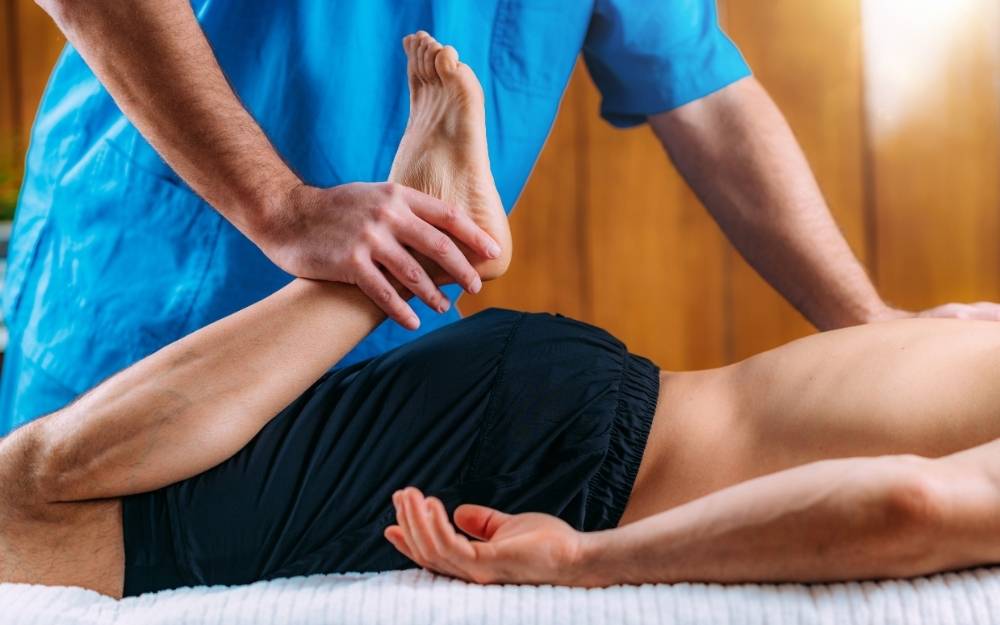
If you have never had one before, you might be wondering how it differs from a standard spa massage. While a Swedish massage is focused on relaxation and light pressure, a sports-focused session is much more clinical and targeted. It is a functional treatment. The therapist will use a variety of techniques, including deep tissue work, trigger point therapy, and sometimes assisted stretching, to break down adhesions in the muscle fibres.
It is important to be honest about the experience: it isn’t always a walk in the park. There might be moments of discomfort as the therapist works through a particularly stubborn knot. However, this is often described as “good pain”—that sensation of a muscle finally releasing after weeks of tension. A good therapist will always communicate with you to ensure the pressure is firm but manageable, tailoring the session to your specific tolerance and needs.
The real benefits of regular treatment
So, why do people keep coming back? The benefits of a professional sports massage Glasgow go far beyond just feeling a bit looser. It has a physiological impact on the body that helps with both physical and mental health. Here are some of the primary reasons people integrate it into their routine:
- Improved Circulation: The physical manipulation of the muscles encourages blood flow, which helps deliver oxygen and nutrients to the tissues while flushing out metabolic waste.
- Increased Range of Motion: By stretching and loosening the fascia and muscles, you will find it easier to move, whether you are reaching for something on a high shelf or trying to improve your squat depth.
- Injury Prevention: By identifying and treating tight areas before they lead to a strain or tear, you can stay active for longer without forced breaks.
- Reduced Recovery Time: If you have pushed yourself hard in the gym, a massage can help reduce the severity of delayed onset muscle soreness (DOMS).
- Stress Reduction: Even though it is a clinical treatment, the process of lying down and having tension removed from your body has a significant calming effect on the nervous system.
How to know when it is time to book
Your body is usually quite good at sending signals when it needs help, but we are often very good at ignoring them. You don’t have to wait until you are in agony to see a professional. In fact, the most effective way to use sports massage is as a preventative measure. If you start to notice that your morning stretches aren’t hitting the spot like they used to, or if you feel a persistent tightness that doesn’t resolve with rest, it is probably time to book an appointment.
Many people in Glasgow find that a monthly “maintenance” session is the sweet spot. It allows the therapist to keep on top of any developing issues and ensures that your body remains resilient against the stresses of daily life. If you are currently training for a specific event, you might increase that frequency to once every two weeks to support your increased workload.
Finding the right clinic for your needs
Not all massage treatments are created equal. When you are looking for a sports massage Glasgow, you want to find a clinic that understands the mechanics of the human body. You want a therapist who listens to your history, asks about your activity levels, and provides a treatment plan that is specific to you. It isn’t just about the hour on the table; it is about the advice you take home with you.
A high-quality clinic will often provide you with aftercare advice, such as specific stretches or lifestyle adjustments that can help prolong the effects of the massage. They might suggest changing your desk setup or incorporating a specific mobility drill into your warm-up. This holistic approach is what separates a standard service from a truly professional clinical experience.
Preparing for your first visit
If you are feeling a bit nervous about your first session, there are a few things you can do to make the most of it. Preparation helps the therapist get straight to the heart of the issue and ensures you leave feeling as refreshed as possible. Consider the following tips:
- Hydrate: Drink plenty of water before and after your session to help your body process the changes in your muscles.
- Wear Appropriate Clothing: While you will often be asked to undress to your comfort level, wearing loose clothing or gym shorts can make the assessment process easier.
- Know Your History: Be ready to talk about any past injuries, even if they seem irrelevant now. The body has a way of compensating for old injuries in ways you might not expect.
- Be Vocal: During the massage, always tell your therapist if the pressure is too much or if you feel a sharp pain. Communication is key to a safe and effective treatment.
The long-term impact on your lifestyle
Ultimately, investing in your physical health through regular therapy allows you to live the life you want in Glasgow. Whether that means being able to play with your kids without back pain, hitting a new personal best at the gym, or simply feeling more comfortable during a long day at the office, the impact is profound. We only get one body, and given how much we ask of it every day, it deserves a bit of professional maintenance. Taking the time to address the physical toll of our modern lives isn’t just a physical necessity; it is a way to ensure we can keep doing the things we love for years to come.

Ethan explores innovative teaching methods, digital learning tools, and the future of education across Europe.