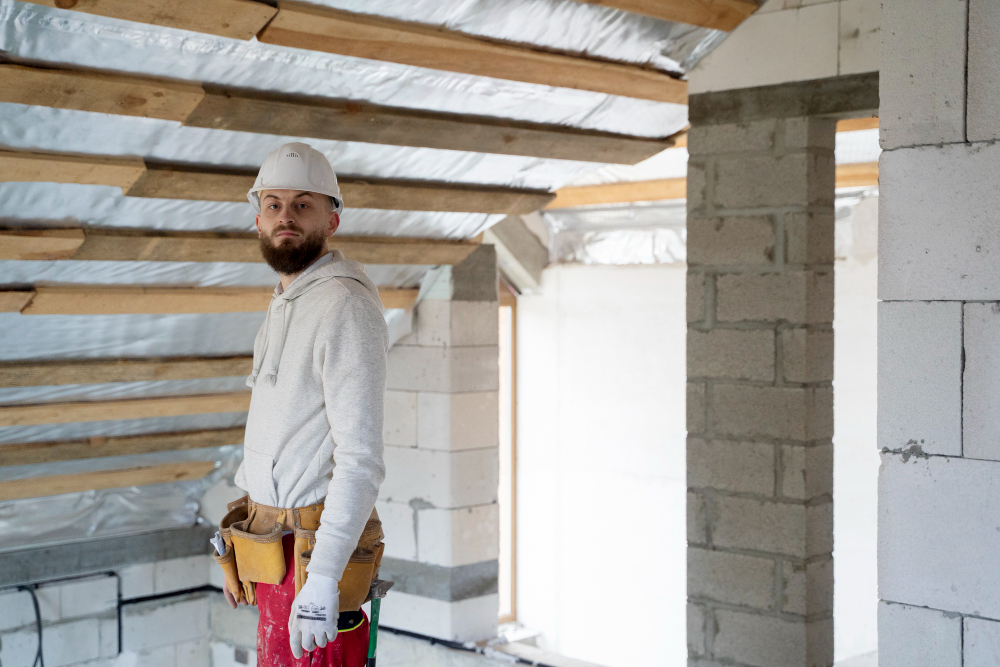
Insulation installation should be on your list if you want to reduce energy bills or convert your loft into an aesthetically pleasing bedroom space, but due to its complex nature it should be best left up to professionals.
The initial layer of loft insulation should be installed at a depth of 270mm, making sure it fits in between the joists without covering lighting wires or any wiring for electronics.
Foil insulation
Loft insulation can serve many purposes – you might be trying to save energy costs, add another room into your house or make it more eco-friendly. Whatever the motivation is behind your loft insulation efforts, choosing the appropriate material for its insulation is crucial – rolls of soft insulation, loose fill and insulated boards all offer different thermal and acoustic properties and installation ease – some may cost less while offering lower U values (measure of how well heat passes through them).
Foil insulation is one of the newest forms of loft insulation in Glasgow and it should not be underestimated. While most people are more familiar with traditional methods like rock wool or glass fibre insulation that reduce conductive and convective heat transfer, foil focuses on radiant heat transfer instead.
Foil’s advantage lies in its ability to reduce radiant heat loss year round, by reflecting sunlight during summer and stopping radiant heat loss during winter. This could cut your heating costs considerably depending on what electricity or gas provider you utilize.
Comparative to other types of insulation, this kind is much simpler to install yourself. A staple gun makes installation easy – no specialized tools necessary! Also use this staple gun around electrical wiring if desired but be sure to leave a gap of 50mm so air can freely circulate around them. Also take care not to compress too tightly, which would compromise its performance and may decrease performance over time.
Before starting to lay insulation in your home, use a vacuum cleaner to clear away any dust or debris, creating an efficient job and helping achieve the appropriate U value for it. This will guarantee an ideal finish.
If your loft features regular joists, this project is a simple DIY that can save money and reduce carbon emissions. However, for awkward spaces or difficult to access lofts it may be wiser to hire professional installers for this step.
Acoustic insulation
Acoustic insulation prevents noise from traveling between rooms or through the roof, helping keep noise down from neighbours or from the loft itself. Acoustic insulation is an integral component of loft conversion projects as it will reduce energy use by keeping heat inside your home, and improve the acoustics for greater comfort when living spaces are shared between multiple family members.
Acoustic loft insulation in Glasgow typically made of mineral wool is an ideal way to reduce noise in a loft space, providing thermal protection while offering fireproofing and moisture control properties. Easy installation makes this an excellent solution – simply fit between the joists of your loft space after installing new walls to help stop sound waves travelling through.
Before beginning, it’s essential to conduct a comprehensive inspection of your loft in order to check for gaps or voids and fill them with sealant if found. Also take care not to disturb any electrical cables buried underneath the insulation, leaving plenty of clearance around them and wearing appropriate protective gear such as goggles, masks and gloves as you proceed.
If you have a large loft, loft boards that can be cut to your desired size are available and fixed securely to the joists with staple guns. Once secure, they can be covered in plasterboard for a neat finish or left bare for an authentic rustic appearance. Acoustic boards may even help reduce unwanted noise in your loft space.
If your loft is smaller, loose-fill or blown-fibre insulation may be an appropriate choice. Professional installation is available, or DIY enthusiasts can do it themselves if desired; this method requires an advanced knowledge base; however it may not suit every property.
Loose-fill insulation
Insulating your loft, whether for storage purposes or simply aesthetic, is one of the best investments you can make for your home. Not only can it keep your home warmer in winter, but insulating also helps lower energy bills and enhance environmental friendliness – so much so that the government now requires homes to have certain amounts of insulation installed!
If your loft is old, chances are it already contains some form of insulation – though likely insufficiently so. Squishy blanket insulation or thin sheets might exist in there somewhere – take note when clearing out your loft to see what sort of insulating material exists there. A minimum thickness requirement should be 270mm thick and provide air flow through any gaps above it that might exist – these should all be checked when inspecting insulation levels in place before clearing it all out!
Mineral wool and recycled newspaper-derived cellulose fibre loose-fill insulation come in rolls or tiles that can be laid between your loft joists for heating retention purposes. Both options are non-flammable, mold resistant, and highly effective at keeping heat inside; however, they tend to settle similarly to fiberglass so their R-Value doesn’t increase with thickness.
Spray foam insulation is another fast and simple option that can be installed quickly and easily, available both at DIY stores in can form and professional installers. Just keep in mind that using spray foam could pose health hazards due to its volatile organic compounds which could irritate respiratory tracts.
Before installing loose-fill insulation in your loft, it is crucial that you clear out all flammable items such as newspapers, clothing or cans containing flame retardants such as newspapers. After taking measurements of your area and deciding how much insulation material you require (water pipes/tanks need separate insulation and electrical wiring should usually be covered beforehand), as well as becoming familiar with safe working practices of your chosen material and having everything prepared prior to entering the loft space.
Blanket insulation
Blanket insulation is one of the most commonly used forms of loft insulation and comes in various thicknesses. This insulation material fits between the joists forming your loft floor and should typically be laid over existing boarding or attic floor itself for easy application. Blanket insulation can help achieve various energy savings goals including keeping homes warm in winter while decreasing air conditioning bills during the summer months.
Insulation doesn’t just save money on heating and cooling bills – it also can help lower greenhouse gas emissions, increase environmental sustainability ratings and add resale value. If you would like to learn more about the advantages of installing blanket insulation in your home, reach out to a professional installer.
Before beginning insulation in your loft, it’s essential that you prepare a safe working environment and create a clear work space. Protective gloves, goggles and masks must be worn in order to ward off dust or fibres that might come your way while working; additionally, any electrical wires could pose a potential fire risk; make sure these are exposed so as not to be covered in insulation which could present fire risks.
Once your space has been cleared, it’s time to begin installing insulation. Start by covering the area between joists with insulation; be sure to leave an opening of 25mm around each for ventilation purposes. Laying it straight would be best; stagger it is also an option; staple guns will help secure its position if necessary.
While insulate your loft, take care to follow all manufacturer’s instructions and safety precautions carefully. Furthermore, check local building codes and guidelines regarding ventilation of attics for attic insulation purposes.
Along with insulating your loft, sealing any air leaks in the attic is also key for maintaining its integrity. Sealing air leaks using caulking or weatherstripping should do the trick, though if you prefer not working in tight spaces it’s always a good idea to hire professional help instead.

Ethan explores innovative teaching methods, digital learning tools, and the future of education across Europe.